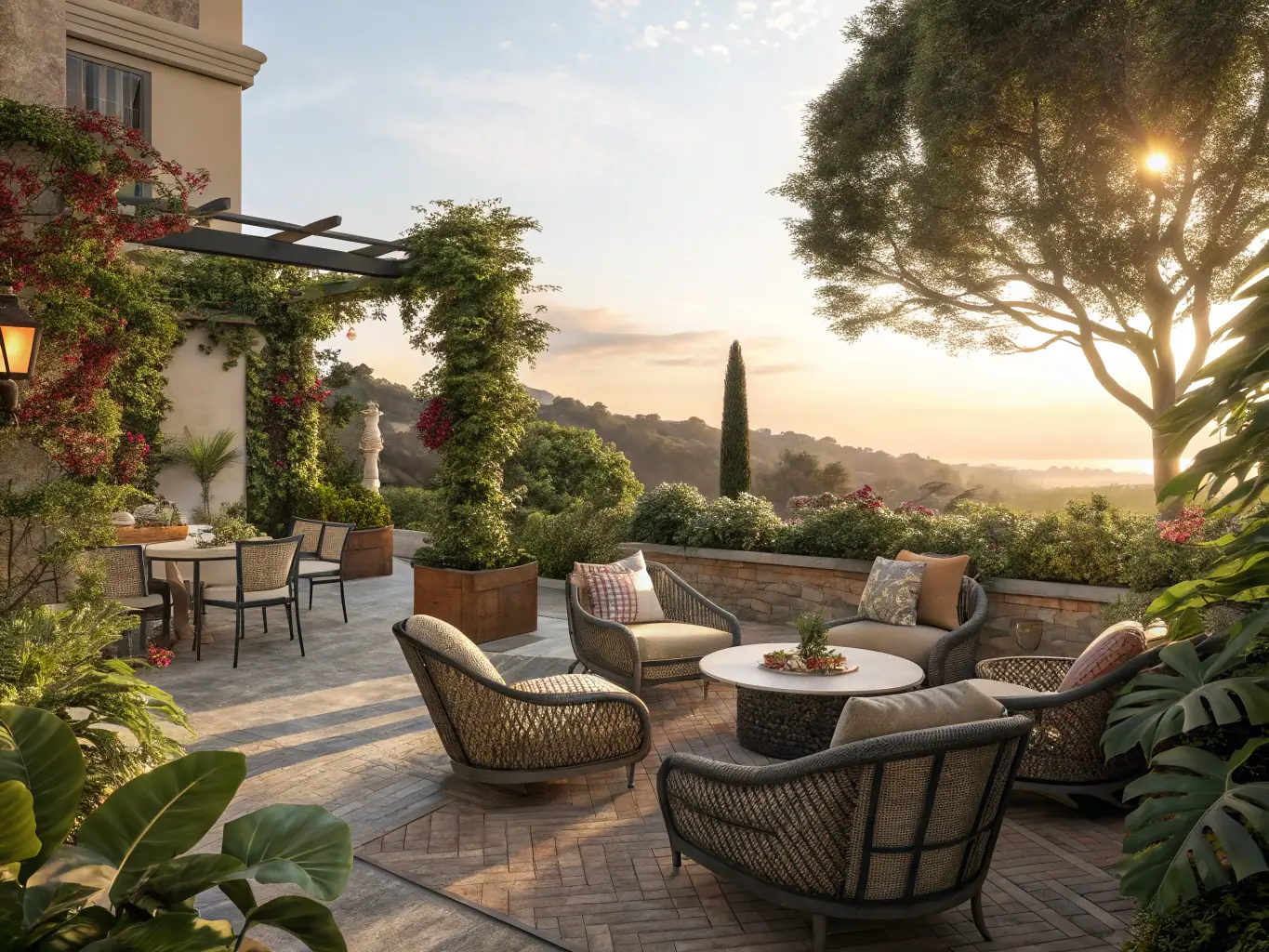
Have you noticed that patio prices have doubled since 2019? Since the pandemic, patios have shifted from “nice-to-have” to essential outdoor living space for many UK homeowners. Demand has surged as people look to create flexible areas for relaxing, working, and entertaining at home. But anyone getting quotes today will notice a stark difference compared with pre‑COVID prices.
Why Patios Cost More Than Ever in 2026
In 2019, a typical 20m² patio might have cost in the region of £2,000–£3,000 for professional installation, depending on materials and access. By 2026, it’s common to see similar projects reaching £4,000–£6,000, especially when using higher-end paving. This sharp rise reflects a combination of material price inflation, higher labour rates, and ongoing pressure on the construction supply chain. Working with specialists experienced in patios Northampton and across the UK can help homeowners navigate these changing costs more confidently.
How Material Prices Have Shifted Since 2019
The pandemic exposed just how dependent construction is on global supply chains. Lockdowns, port delays, and factory shutdowns made it harder and more expensive to source core products like natural stone, porcelain and concrete. At the same time, energy prices climbed, pushing up the cost of manufacturing kiln‑fired and cement‑based materials.
Before COVID, many UK homeowners could find mid‑range paving installed for around £60–£80 per m². Today, guides regularly quote £90–£150 per m² or more, with premium stone sometimes exceeding that range. For a 20m² patio, that shift from roughly £1,200–£1,600 to £1,800–£3,000 can easily add several thousand pounds to the final bill once design, waste removal and finishing touches are included.
Labour, Logistics and the ‘Home Upgrade’ Boom
It’s not only materials driving up patio prices. Since 2020, there has been a sustained boom in home improvement projects, from garden makeovers to full extensions. This has increased competition for skilled landscapers and groundworkers.
Day rates and per‑m² labour costs have risen accordingly. While pre‑pandemic labour might have sat towards the lower end of £35–£70 per m², it’s now often at the upper end of that range, particularly for complex work or in high‑demand areas. Add in higher fuel costs, insurance and waste‑removal charges, and the overall project cost naturally climbs. For homeowners commissioning patios Northampton or in other busy regions, booking early and securing written quotes has become more important than ever.
What a ‘Typical’ Patio Costs in 2026
Average figures always hide a lot of variation, but they are still useful for setting expectations. Current UK guides suggest:
- Budget or basic paving: roughly £70–£100 per m² including materials and labour.
- Mid‑range concrete or porcelain: often £80–£150 per m² depending on style and ground conditions.
- Premium natural stone or intricate designs: frequently £120–£200+ per m².
For a 20m² space, that means a realistic total in 2026 can start around £1,700 and rise well above £4,000 where access is tricky or finishes are more bespoke. Compared with 2019 ballpark figures, many homeowners are effectively paying close to double for a similar footprint, even when keeping the design simple.
Smart Ways to Protect Your Budget
While cost rises are unavoidable, there are still smart tactics for getting better value. Choosing materials that sit in the mid‑range rather than the very cheapest or most premium can balance appearance, performance and price. Locally sourced or UK‑produced products may reduce transport costs and shorten lead times.
Design decisions make a difference too. Slightly reducing the overall size of the patio, simplifying patterns, or phasing the project in stages can keep the budget under control without sacrificing quality. Asking installers who regularly work on patios Northampton and further afield to break down quotes by materials, labour and preparation will also help you see where adjustments can be made without compromising the long‑term durability of the space.
Why a Quality Patio Still Makes Sense
Despite rising costs, a well‑constructed patio remains one of the most effective ways to upgrade an outdoor area. It creates a defined, hard‑wearing surface that can be used year‑round, improves the way garden and interior spaces connect, and can enhance buyer appeal when you come to sell.
Crucially, investing in proper ground preparation and reputable installers reduces the risk of future movement, drainage issues or expensive remedial work. Whether you’re planning compact city courtyard paving or larger suburban patios Northampton homeowners would envy, the focus in 2026 is clear: spend wisely on specification and installation now to avoid paying twice later.
Featured image credit: AI generated.